- All
- Product Name
- Product Keyword
- Product Model
- Product Summary
- Product Description
- Multi Field Search

Views: 0 Author: Site Editor Publish Time: 2026-05-01 Origin: Site


Shipping containers once dominated social media feeds as a viral architectural trend. Today, they represent a legitimate, highly sought-after alternative housing solution. Buyers appreciate their modern industrial aesthetic and sustainable appeal. However, a massive gap exists between stunning photos and harsh construction realities. Many eager buyers drastically underestimate site preparation requirements. They also overlook strict zoning laws and the shocking costs of structural modifications.
You need an unfiltered, evidence-based roadmap. Our expert insights strip away the marketing hype. We focus purely on actionable steps to get your project built safely. This guide helps you evaluate if a container house truly aligns with your budget and timeline. We will break down local compliance requirements and unseen logistical hurdles. You will learn how to navigate building codes and secure reliable financing. By the end, you will know exactly how to avoid common pitfalls and make an informed housing decision.
A container house offers rapid deployment and modular scalability, but total project costs rarely equate to "dirt cheap" once permits, insulation, and foundations are factored in.
Structural modifications (like cutting out walls for large windows) require expensive steel reinforcements, directly impacting the final budget.
Navigating 2025 zoning laws and securing building permits remain the highest barriers to entry; early compliance checks are mandatory.
Choosing an experienced container house manufacturer is critical to avoiding toxic paint risks, insulation failures, and financing roadblocks.
Modular pre-fabrication drastically reduces on-site construction time. Traditional home builds suffer from constant weather delays. Rain and snow destroy exposed lumber and halt progress. Container modules arrive on your site completely weather-tight. Contractors call this reaching the "lock-up" stage. It happens in mere days instead of months. You can secure the interior immediately. Plumbers and electricians start their work sooner. This speed accelerates your ultimate move-in date.
Standard dimensions allow for highly predictable phased expansions. Shipping containers conform strictly to global ISO standards. You typically work using 20-foot or 40-foot lengths. These modules stack and connect perfectly. They function like life-sized building blocks. You can start small today. You might add a second-story module five years later. You avoid complex architectural redesigns. The structural footprint remains completely standardized and predictable.
Corrugated weathering steel offers unparalleled strength. Manufacturers construct these boxes using Cor-Ten steel. This specialized material actively resists deep corrosion. An unmodified unit easily handles heavy loads and high winds. Many coastal residents choose them for hurricane resistance. They also perform exceptionally well during earthquakes. The rigid steel frame flexes slightly without collapsing. You gain immense peace of mind in extreme climates.
Steel acts as a massive thermal bridge. It conducts heat and cold rapidly. Warm indoor air hits cold steel walls. This interaction creates severe internal condensation. Water droplets ruin drywall and cause hidden rust. You cannot use standard fiberglass batts here. You must apply closed-cell spray foam insulation directly onto the interior steel. The foam creates an impenetrable vapor barrier. It stops moisture buildup completely.
A shipping container derives structural strength from its intact corrugated walls. Removing panels changes everything. Buyers love massive floor-to-ceiling windows. However, cutting out a wall compromises the entire roof load. You must install heavy-duty steel framing to compensate. Welders charge premium rates for this specialized work. Extensive modifications quickly erase any initial cost savings. Keep cuts minimal to preserve your budget.
Used shipping containers carry hidden health hazards. Ocean transit exposes them to harsh environments. Manufacturers coat the original wooden floors in strong pesticides. They do this to prevent foreign insect transfer. The exterior paint often contains heavy metals. Never live on top of these original floors. You should completely replace the plywood. Better yet, source "one-trip" units. These units ship cargo only once. They remain practically new and safe for human habitation.
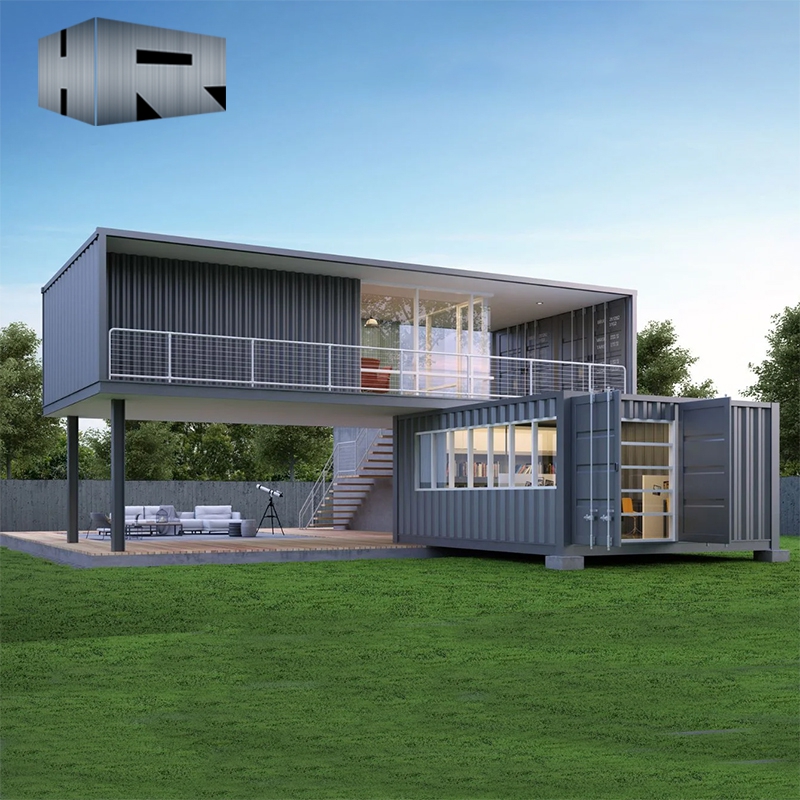
Buyers often assume a container build costs pennies on the dollar. Viral media pushes a "dirt cheap" narrative. This assumption proves dangerously false. Container homes rarely cost significantly less per square foot than traditional stick-built homes. Instead, they allocate your budget differently. You save money on exterior framing and roofing. You spend those savings on specialized insulation, cranes, and steel reinforcement. You must understand this financial shift before buying land.
Expense Category | Traditional Stick-Built Home | Container Home Build |
|---|---|---|
Framing & Exterior Structure | High (Lumber, labor, extensive time) | Low (Pre-fabricated steel shell) |
Insulation & Climate Control | Moderate (Standard fiberglass batts) | High (Specialized closed-cell spray foam) |
Foundation & Site Prep | Moderate (Standard slab or crawlspace) | Moderate to High (Precision pier footings, utility trenching) |
Delivery & Heavy Logistics | Low (Standard material drop-offs) | High (Wide-load permits, heavy crane rentals) |
Even an off-grid build requires proper footings. You cannot drop a steel box directly onto bare dirt. Soil moisture will eventually cause severe rust. You must pour a foundation. Pier footings often provide the most cost-effective solution. They elevate the structure and allow airflow underneath. Slab or strip footings also work well for permanent designs. You must also budget for utility trenching. Digging lines for septic, water, and electricity adds thousands to your final bill.
Transporting heavy steel modules requires serious logistical planning. You cannot rely on a standard delivery truck. Wide-load transport permits become necessary for modified or combined units. You must rent a high-capacity crane to lift the modules into place. Crane rental fees easily exceed a thousand dollars per day. Site accessibility dictates everything. Measure your road's turning radius carefully. Check for low-hanging overhead wires. Delivery drivers will abort the drop-off if they face unsafe conditions.
Securing a traditional mortgage presents a major hurdle. Banks rely heavily on comparable sales, known as "comps." Appraisers look for similar homes sold recently in your zip code. Many neighborhoods still lack container home comps. Traditional lenders often reject these applications outright. You will likely need to pursue specialized construction loans. Some local credit unions offer better flexibility. Prepare a massive portfolio of your architectural plans to convince conservative loan officers.
Local municipalities struggle to classify non-traditional architecture. Some zoning boards view container homes as permanent structures. Others classify them as temporary or modular buildings. This bureaucratic confusion delays your project timeline. You cannot submit basic hand-drawn plans. You must hire structural engineers. These professionals must possess specific experience stamping modified container designs. A standard residential architect usually lacks this niche engineering knowledge. Do not skip this critical hiring step.
The construction industry slowly adapts to alternative housing. The International Code Council (ICC) recently adopted unified building codes specifically for shipping containers. These guidelines standardize how inspectors evaluate structural integrity. This widespread adoption makes permitting slightly easier in 2025. However, you still bear the burden of proof. You must initiate preliminary municipal conversations early to avoid nasty surprises.
Use this checklist before purchasing any land:
Deed Restrictions: Review the property deed for any hidden clauses prohibiting modular or non-traditional structures.
HOA Bylaws: Read Homeowner Association rules closely, as many strictly forbid exposed corrugated steel aesthetics.
Minimum Square Footage: Confirm the town's minimum size requirements; a single 20-foot unit often falls short of legal dwelling minimums.
Design Approvals: Ask the zoning board if they require exterior cladding to mask the industrial look.
You must understand the difference between a modular builder and a traditional general contractor. A general contractor oversees on-site work. A vendor builds your module inside a climate-controlled factory. Choosing a reliable container house manufacturer determines your project's success. You want a vendor who manages the entire fabrication process transparently.
Demand total supply chain transparency. Ask vendors directly about their sourcing methods. Do they use "one-trip" units or "as-is" used containers? One-trip units cost slightly more but guarantee a rust-free history. Request physical proof of structural integrity before signing a contract. Reputable companies gladly provide tracking documents.
Always prioritize manufacturers offering in-house engineering. They should provide comprehensive architectural services. Outsourced drafting leads to dangerous communication errors. In-house teams produce stamped architectural drawings rapidly. These stamps ensure your blueprints pass local municipal compliance checks.
The industry contains bad actors and inexperienced startups. Beware of manufacturers offering unbelievably low quotes. They often use the "shell-only" trap. They sell you a painted box with doors. They completely exclude site prep, foundations, and interior finishing. You suddenly face massive unexpected out-of-pocket expenses. Some buyers purchase a container house assuming everything is included. Always demand a detailed, itemized statement of work.
Avoid vendors lacking a physical portfolio. Do not trust a company relying solely on 3D computer renderings. You need to see actual, permitted, lived-in homes. Ask for references from past clients. A legitimate vendor will proudly showcase their completed projects. If they cannot produce real-world case studies, walk away immediately.
Building a non-traditional home requires intense sequential planning. Follow this rigorous roadmap to ensure a smooth deployment.
Step 1: Land Feasibility. Never purchase a steel shell before verifying your land. Conduct a perc test immediately to ensure the soil supports a septic system. Verify your access to municipal water and the electrical grid. Off-grid utilities cost significantly more than buyers anticipate.
Step 2: Partner Selection. Shortlist two to three manufacturers. Compare their warranty terms closely. Verify their delivery radius, as long-distance shipping ruins budgets. Check their local compliance track records. You need a partner who understands your specific climate zone.
Step 3: Design Lock. Finalize your floor plan early. Late-stage changes in traditional wood construction cost a few hundred dollars. Late-stage changes in heavy steel construction cause severe budget overruns. Moving a window requires cutting new steel and re-welding support frames. Lock the design before fabrication begins.
A container home provides a highly durable, architecturally unique alternative housing solution. However, it demands immense preparation. You must approach the build with highly realistic budget expectations. You must maintain a strict focus on local zoning compliance. The aesthetic rewards are incredible, but they require serious logistical discipline. Protect yourself by hiring experienced structural engineers. Always budget heavily for proper insulation and foundation work.
Are you ready to take the next crucial step? Download a comprehensive site-readiness checklist today. Book a feasibility consultation with a vetted professional. Request a detailed, itemized quote to map out your financial future accurately.
A: Yes. Manufacturers build them using incredibly strong Cor-Ten weathering steel. Unmodified units easily withstand massive wind loads and flying debris. When securely anchored to a proper foundation, they offer exceptional hurricane and earthquake resistance.
A: A well-maintained unit easily lasts 50 years or more. Lifespan depends heavily on rust mitigation and climate. Proper closed-cell spray foam insulation prevents internal condensation. Applying high-quality exterior cladding also shields the steel from harsh outdoor elements.
A: High-end, fully permitted builds appreciate in value similarly to traditional homes. The real estate market increasingly accepts modern modular designs. However, unpermitted or off-grid DIY builds struggle to hold value and face severe resale difficulties.
A: Yes, policies are entirely available. However, some traditional carriers may require specialized underwriting. They often classify the building as "modular construction" or "custom frame." Providing stamped structural engineering plans drastically simplifies the insurance approval process.


