- All
- Product Name
- Product Keyword
- Product Model
- Product Summary
- Product Description
- Multi Field Search

Views: 0 Author: Site Editor Publish Time: 2026-05-31 Origin: Site


Renting a dumpster seems simple. That changes when unexpected overage fees hit you. Delayed project timelines also cause massive headaches. A container that is too small ruins your workflow. Proper sizing determines your cleanup success. Most homeowners evaluate dumpsters solely by volume. They completely ignore weight restrictions. External footprint limits and road-weight laws matter too. Miscalculating these variables causes immediate project delays. It also triggers expensive secondary hauling fees.
This guide details exact container dimensions. We explain realistic capacity conversions using pickup truck loads. You will learn the difference between volume limits and weight limits. Understanding how a Roll Off Container works is vital. It ensures you order the perfect fit for your site and your budget.
Volume Visualization: 1 cubic yard equates to the physical volume of roughly one standard kitchen oven, or 10 large trash bags.
The Weight Trap: Hitting the maximum weight limit (measured in tons) often happens long before reaching the physical fill line, especially with heavy debris like concrete or roofing shingles.
Footprint vs. Capacity: External dimensions can vary slightly depending on the Roll Off Container manufacturer, but internal cubic yardage is strictly standardized across the industry.
Cost Efficiency: Sizing up one tier is almost always more cost-effective than paying for a second haul and an additional rental period.
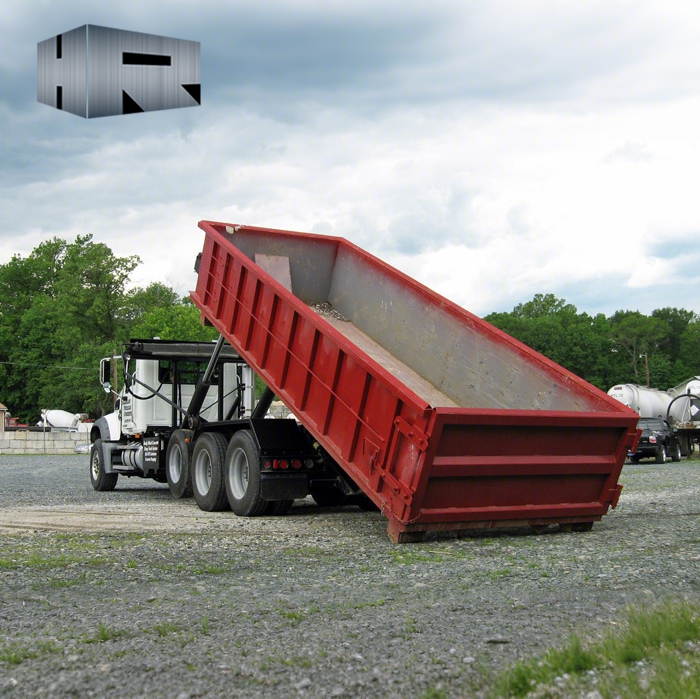
A roll-off delivery system differs from commercial front-load dumpsters. You usually see commercial bins behind restaurants. Garbage trucks empty them directly on-site. Roll-off units operate entirely differently. They are heavy-duty, open-top bins. Specialized trucks deliver them using a hydraulic boom and winch system. The driver rolls the unit directly onto your property. You keep it there for a designated rental period. Upon completion, the truck hauls the loaded container away. It goes straight to a landfill or local transfer station.
A Rectangle Standard Roll Off Container handles bulky waste effortlessly. It features an open-top structure. This lets you toss items directly over the side. It also includes swinging rear doors. These doors let you walk heavy items inside easily. You can roll wheelbarrows full of concrete straight into the belly. This eliminates the need for dangerous overhead lifting.
We see these units utilized across dozens of industries. They primarily serve temporary applications. You will find them on construction sites everywhere. They handle home demolitions and residential cleanouts perfectly. Crews use them for roof replacements and heavy landscaping. These containers accept materials that municipal trash services reject. They give homeowners a safe, centralized hub for collecting bulk debris.
Understanding capacity starts with the cubic yard. It is the primary measurement standard in this industry. One cubic yard equals 27 cubic feet. Visualize a space measuring three feet in all directions. Physically, this equals the size of a standard kitchen oven. It also matches the volume of ten large trash bags.
The internal volume strictly dictates the container size classification. A 20-yard container holds exactly 20 cubic yards internally. However, the external footprint changes frequently. The exact length, width, and height vary based on the specific fabrication. Fleet managers also modify external dimensions for specific truck types. Some models sit slightly taller and shorter. Others stretch out longer but sit closer to the ground. You must measure your physical driveway space carefully.
We use a standard pickup truck bed for a reliable baseline. One standard full-size pickup truck bed holds a very specific volume. Loaded level to the side rails, it holds two cubic yards. Some larger beds hold up to three cubic yards of debris. Ask yourself how many truckloads your project requires. This question provides a highly accurate estimate for your rental size.
Evaluating sizes requires comparing physical dimensions against waste types. The table below summarizes core specifications. Review this data before ordering your container.
Container Size | Typical Dimensions (L x W x H) | Pickup Truck Equivalent | Best Suited For |
|---|---|---|---|
10-Yard | 14' x 7.5' x 3.5' | ~4 loads | Heavy C&D, concrete, dirt, small cleanouts |
12 to 15-Yard | 14'-16' x 8' x 3.5'-4' | 5-7 loads | Medium renovations, apartment cleanouts |
20-Yard | 22' x 8' x 4.5' | 10-12 loads | Whole-home decluttering, roofing, large landscaping |
30-Yard | 22' x 8' x 6' | 14-15 loads | Major home additions, estate cleanouts |
40-Yard | 22' x 8' x 8' | 16-20 loads | Commercial construction, large-scale demolition |
This unit measures 14 feet long. It sits 7.5 feet wide and 3.5 feet high. It is the smallest standard roll-off size available. It accommodates roughly four pickup truck loads. That equals about 50 to 60 large trash bags. Service agreements typically include a three-ton weight baseline.
Do not let the small footprint fool you. The 10-yard bin holds a specific and vital industry role. It operates under the strict heavy debris rule. This is the only safe size for highly dense materials. You must use it for concrete, dirt, and brick. Filling larger dumpsters with these materials causes major problems. It quickly exceeds legal axle weight limits. Carrier trucks simply cannot lift heavier loads safely.
This model suits small garage cleanouts perfectly. It works incredibly well for minor bathroom remodels. Crews use it for heavy construction and demolition debris. Its compact size fits comfortably in standard residential driveways. It rarely obstructs public sidewalk access.
These models bridge the gap for medium projects. A 12-yard bin measures 14 feet long. It spans 8 feet wide and 3.5 feet high. The 15-yard unit extends slightly further. It reaches 16 feet long and 4 feet high. Together, they hold five to seven pickup truck loads.
They perform exceptionally well for home renovations. You can use them for single-room remodels. They handle apartment cleanouts and heavy yard waste easily. They offer a distinct footprint advantage for homeowners. They deliver substantial volume while remaining relatively short. They fit safely inside standard driveways. This prevents the need for municipal street-placement permits.
The 20-yard container remains the absolute waste industry workhorse. It measures roughly 22 feet long and 8 feet wide. It stands about 4.5 feet high. It swallows 10 to 12 pickup truck loads of debris. This size handles around 100 to 120 contractor bags. Many operators also offer 20-yard stackable Roll Off Dumpsters for tight storage yards.
It remains the most popular choice overall. People use it for whole-home decluttering. It works perfectly for full roofing tear-offs. Contractors rent it for multi-room interior renovations. The core appeal of this unit is true balance. It offers expansive capacity with highly accessible side walls. An average person can comfortably toss debris over the edge. You do not have to rely strictly on the rear doors. This makes workflow much faster for busy crews.
Major structural changes require a 30-yard container. These units share the standard 22-foot length. They maintain the 8-foot width of the 20-yard model. However, they increase capacity by building upward. The side walls reach an imposing 6 feet high. This volume equates to 14 or 15 pickup truck loads.
They best suit major home additions. Families use them for multi-generational estate cleanouts. They assist natural disaster recovery operations frequently. Loading methods become a priority here. The side walls stand 6 feet tall. Tossing heavy items over the edge poses safety risks. Users must load debris by walking it inside. You must use the rear swinging doors. This requires careful spatial planning to maximize capacity.
The 40-yard container offers maximum standard capacity. It measures 22 feet long and 8 feet wide. It features an imposing 8-foot height. This unit swallows up to 20 pickup truck loads easily. It features a heavy-duty weight baseline. It handles up to 6 tons of bulky material safely.
It services massive industrial projects routinely. You see it on commercial construction sites everywhere. It handles large-scale demolition jobs and community clean-up events. A project of this magnitude requires specific hardware. You need a highly Durable Roll Off Container. It must withstand the sheer volume and sharp impacts. Side loading remains impossible with 8-foot walls. Operators load these containers from above using heavy machinery. Crews also utilize the rear doors extensively for walking items inside.
The waste industry operates on a standard pricing model. This system routinely catches first-time renters completely off guard. Dumpster rentals utilize a specific pricing equation. The flat fee includes the base rate and tonnage allowance. You pay for delivery, pickup, and rental duration upfront. You also receive a predetermined weight limit for your debris.
The greatest financial risk lies in overage fees. The tonnage allowance dictates your specific landfill coverage. If your rental includes three tons, you must stay under it. Loading 4.5 tons means you clearly exceed your limit. Landfills weigh the truck upon arrival. They weigh it again after the driver empties it. Exceeding the weight limit triggers strict penalties. The hauling company charges prorated per-ton overage fees. These apply even if the bin looks half empty.
This dynamic creates the famous concrete paradox. You cannot fill a 30-yard dumpster entirely with concrete. Heavy aggregates push the scale incredibly fast. A bin filled halfway with dirt exceeds mechanical limits. The truck simply cannot lift 15 tons safely. The driver will legally refuse to haul it. You must pay offloading fees to fix the issue. Always place heavy debris strictly in 10-yard bins.
Audit Waste Volume and Scope: Visualizing your space requires realistic conversions. Use the oven analogy to map out your garage. Categorize the waste into bulky and dense items. Bulky items consume physical volume quickly. Dense items consume weight allowances rapidly. You must calculate tonnage requirements carefully before calling a provider.
Verify Physical Space and Clearance: Dumpster delivery involves massive carrier trucks. They require substantial clearance to operate safely. Standard trucks need 8 feet in width. They require 23 feet of flat, level runway. Steep inclines prevent the driver from deploying the winch. Assess your footprint before ordering a large container.
Balance Rental Duration and Haul Frequency: People often try saving money with smaller bins. This strategy frequently backfires on project managers. Renting a 10-yard bin twice costs significantly more money. Repeated hauling fees quickly destroy your project budget. Lost project time adds another massive hidden expense. Always factor in your crew's working speed.
Implement Strict Material Separation: Mixed waste incurs higher flat fees generally. Landfills charge premiums to sort trash from recyclables. Grouping similar materials optimizes your landfill diversion rates. Separate your clean concrete from general household trash. Clean concrete bins often cost less to haul overall. Recycling facilities accept raw aggregates at lower tipping fees.
Loading a dumpster requires high safety awareness. The Department of Transportation enforces the strict fill line rule. Every container features a visible painted fill line. Debris absolutely cannot extend above the sidewalls. Tarping mechanisms must securely cover the load during transit. Protruding drywall or furniture triggers severe DOT fines immediately. The driver will refuse to move the container completely. You must manually level the load first.
Proper weight distribution ensures safe and legal transportation. Place heavy items flat at the bottom. Distribute them evenly across the entire steel floor. Stacking heavy shingles on one side creates serious danger. The container becomes structurally unbalanced. This instability causes the bin to tip over during transit. It might swing wildly while suspended on the boom arm.
Federal and state laws dictate prohibited item lists. You cannot place environmental hazards inside temporary bins. Explicitly banned items include the following materials:
Tires: Tires trap dangerous methane gas beneath landfill layers. They float to the surface and breach landfill caps. They also pose severe, difficult-to-extinguish fire hazards.
Wet Paint: Liquid paint leaks onto roads during highway transit. It eventually contaminates local groundwater at the landfill site. You can usually dispose of dried latex paint safely.
Toxic Chemicals: Pesticides, motor oil, and harsh household cleaners are strictly illegal. They require dedicated hazardous waste processing facilities.
Asbestos: This material requires specialized abatement teams immediately. You must use sealed disposal methods to prevent carcinogen exposure.
Lithium Batteries and Freon: Batteries spark massive fires when crushed inside garbage compactors. Freon appliances deplete the ozone layer quickly. Professionals must drain them completely before disposal.
A steel container exerts massive downward pressure. It holds tons of highly abrasive debris. Proper site preparation prevents costly secondary damages. It protects your home infrastructure effectively.
Driveway protection serves as your first defense. Steel wheels act as extreme focal points. They carry the entire weight of the payload. Advise your delivery driver exactly where to drop the bin. Lay down thick wooden boards or 3/4-inch plywood. Do this before the truck arrives. The wood absorbs friction during the slide-off process. It prevents deep indentations on your asphalt driveway.
Overhead clearance requires careful visual inspection. The delivery truck utilizes a very tall boom arm. It raises the container high into the air. Check your drop zone for low-hanging tree branches. Look out for power lines or steep roof overhangs. The vertical airspace needs 18 to 22 feet of clearance. The driver cannot deploy the hydraulic arm without it.
Confirm your local permit requirements immediately. Placing a container on private property rarely requires permits. You can use your driveway without municipal approval. However, placing it on public streets changes everything. Residential alleys or public sidewalks require prior approval. Cities mandate these permits to ensure safety. Large steel bins must not block emergency vehicle access.
Audit Materials and Verify Weight Limits: Identify exactly what you plan to throw away. Compile a general list of materials before calling. Ask local providers for specific volume recommendations. Confirm their base rates and exact tonnage inclusions. Request the precise cost of their overage fee structures.
Clear the Designated Drop Zone: Prepare the physical space the morning of delivery. Move all personal vehicles and construction materials away. Provide the driver with the required 23-foot flat runway. Verify that adequate overhead clearance remains completely unobstructed. Place your wooden driveway boards exactly where needed.
Load the Container Safely: Execute your loading plan meticulously from day one. Open the rear doors to walk heavy items inside. Lay them flat across the bottom for weight distribution. Break down bulky items like large cardboard boxes. Stop loading strictly at the painted fill line.
Schedule the Final Pickup: Contact your provider to initiate the pickup sequence. Ensure the path remains entirely clear for the truck. The driver must hook the cable securely to the bin. Do not park vehicles in front of the dumpster. Missed pickups often result in additional dry run fees.
Follow these specific, action-oriented steps to secure the exact container you need for your job site today:
Audit your material weight: Separate heavy aggregates like concrete or dirt from general household debris to prevent overloading the truck.
Measure your driveway clearance: Confirm you have a 23-foot flat runway and at least 18 feet of vertical clearance before scheduling delivery.
Upsize your order: Choose one container size larger than your initial estimate to avoid paying for a second delivery and haul.
Request tonnage details: Ask your provider for the exact included weight limit and the specific per-ton overage fee prior to signing the rental agreement.
A: A standard 20-yard container holds approximately 10 to 12 standard pickup truck beds worth of debris. This makes it an ideal, high-capacity choice for medium-to-large residential projects where making a dozen trips to the local landfill is impractical.
A: It depends heavily on the size of the home and the density of the clutter. A 15-yard unit works well for small apartments. A 20-yard remains the standard choice for regular homes. We strongly recommend a 30-yard unit for large estates or multi-generational cleanouts.
A: You can fill it strictly up to the designated fill line painted on the inside walls. Absolutely no material can protrude above the top edge. Transportation safety laws require operators to secure a tarp tightly over the load before moving the truck on public roads.
A: It can, due to the extreme weight of the steel wheels pressing against asphalt or concrete. Operators highly recommend laying down thick, heavy plywood boards where the steel wheels will make contact. This simple step distributes the weight and prevents deep scratches.
A: You generally only need a permit if the container rests on a public right-of-way. This includes a city street, public alley, or sidewalk. If the container fits entirely inside your private driveway or on your lawn, municipalities usually do not require permits.
A: If your final load weighs more than the tonnage allowance included in your rental agreement, you face penalties. The hauling company charges a prorated overage fee based on the local landfill's specific per-ton rate for every single pound over your allowance.
A: Tires are explicitly banned from standard municipal landfills. They trap methane gas and eventually float to the surface, breaking the landfill cap. Furthermore, they pose severe, toxic, and exceptionally difficult-to-extinguish fire hazards. You must send them to specialized tire recycling facilities instead.


