- All
- Product Name
- Product Keyword
- Product Model
- Product Summary
- Product Description
- Multi Field Search

Views: 0 Author: Site Editor Publish Time: 2025-10-31 Origin: Site


In the realm of global logistics, the transportation of hazardous materials is a critical component that demands specialized attention and compliance with international standards. Dangerous goods containers, specifically designed for the storage and transport of such materials, play an essential role in ensuring safety and efficiency in the supply chain. These containers are equipped with advanced safety features, including chemical-resistant coatings, specialized ventilation systems, and secure containment mechanisms. For those interested in the specifics of these containers, the Dangerous Goods Container offers a comprehensive overview.
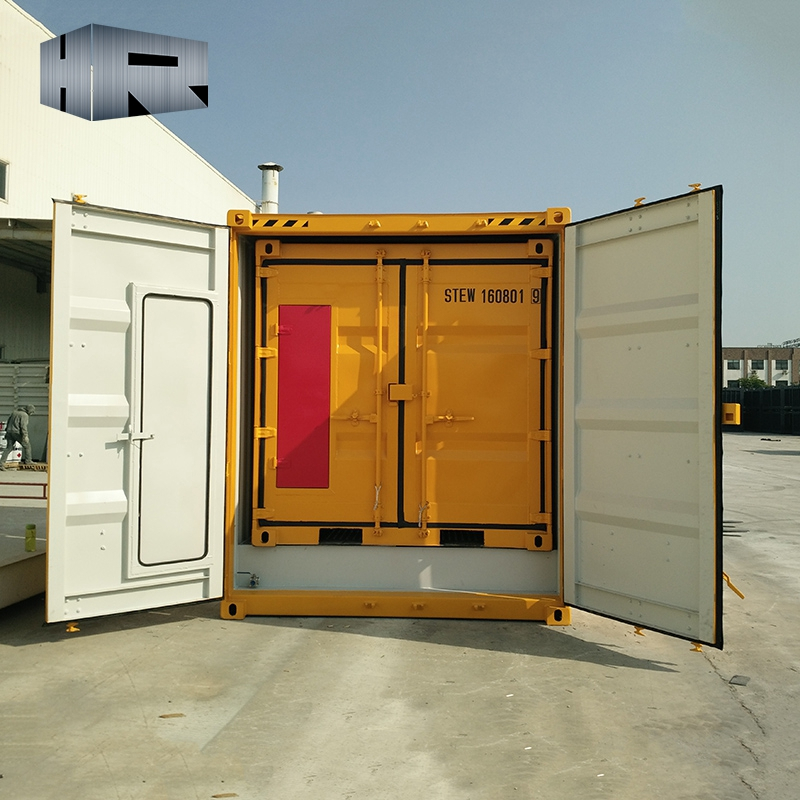
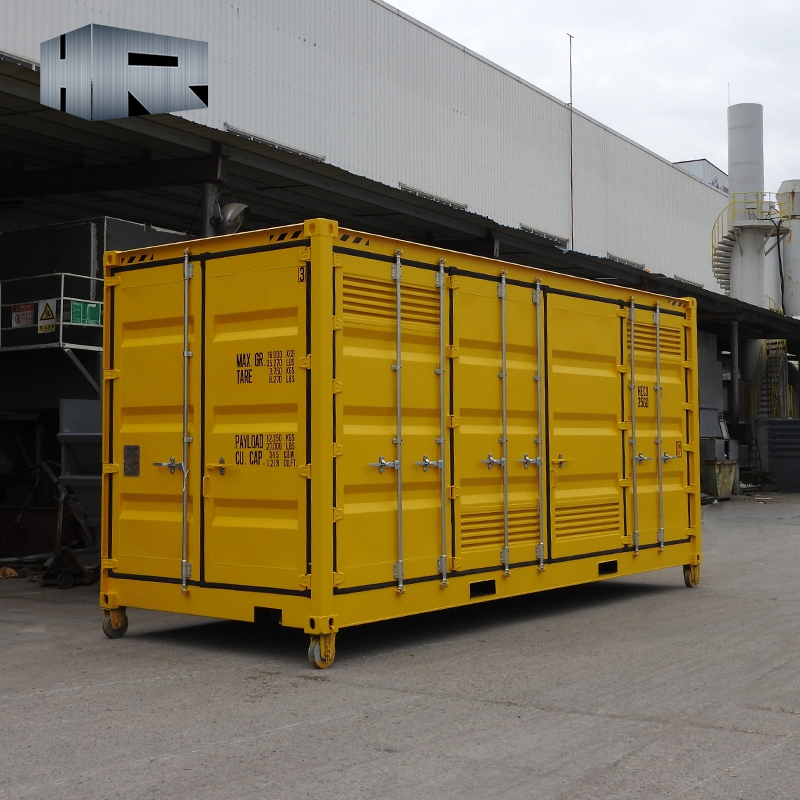
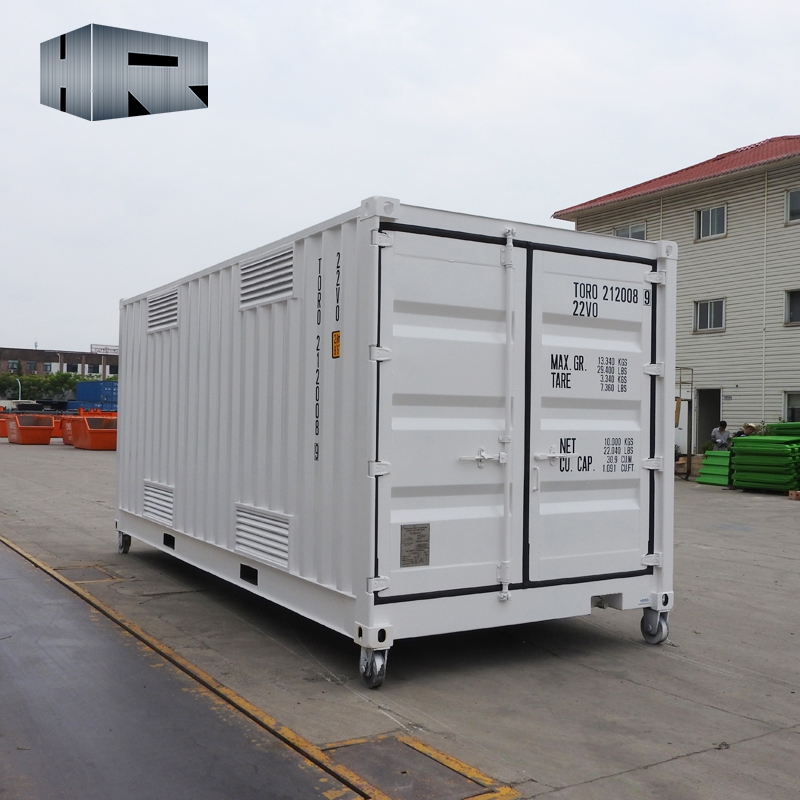
The transportation of dangerous goods is a complex process that involves various stakeholders, including manufacturers, transporters, and regulatory bodies. Dangerous goods containers are integral to this process, providing a secure and compliant means of transporting hazardous materials across borders. These containers are designed to meet stringent international regulations, such as those set by the United Nations, ensuring that the materials are handled safely and efficiently.
One of the primary functions of these containers is to prevent leaks and contamination during transit. This is achieved through the use of durable materials, such as heavy-duty steel, and advanced sealing mechanisms. Additionally, the containers are equipped with ventilation systems that allow for the safe release of gases, reducing the risk of explosions or other hazardous incidents.
Safety is paramount when it comes to the transportation of dangerous goods. As such, dangerous goods containers are equipped with a range of safety features designed to mitigate risks. These include fire-resistant coatings, spill containment systems, and reflective markings for increased visibility. The containers also feature reinforced locking mechanisms to ensure that the contents remain secure during transit.
Compliance with international safety regulations is another critical aspect of dangerous goods containers. These containers are built to meet the standards set by organizations such as the International Maritime Dangerous Goods (IMDG) Code and the International Air Transport Association (IATA). By adhering to these regulations, companies can minimize the risk of accidents and ensure the safe transport of hazardous materials.
The design and functionality of dangerous goods containers have evolved significantly over the years, thanks to advancements in technology. Modern containers are equipped with GPS tracking systems that allow for real-time monitoring of shipments. This technology enables logistics professionals to track the location and status of containers, ensuring that they reach their destination safely and on time.
Additionally, digital documentation and automated alert systems have become integral components of container design. These systems provide instant notifications in the event of a breach or other emergency, allowing for swift intervention and minimizing potential damage. By leveraging technology, companies can enhance the safety and efficiency of their logistics operations.
Transporting dangerous goods presents a unique set of challenges, from regulatory compliance to risk management. To address these challenges, companies must implement best practices that prioritize safety and efficiency. This includes conducting regular training for personnel involved in the handling and transport of hazardous materials. Training ensures that employees are familiar with the risks associated with these materials and know how to respond in emergency situations.
Another best practice is the use of comprehensive documentation, such as Material Safety Data Sheets (MSDS), which provide critical information about the chemical properties and handling requirements of hazardous materials. Accurate documentation is essential for regulatory compliance and helps prevent accidents during transit.
Effective coordination among stakeholders is crucial for the safe transportation of dangerous goods. Manufacturers, transporters, and regulatory bodies must work together to ensure that materials are handled safely and in compliance with international standards. This involves clear communication and collaboration at every stage of the logistics process, from packaging and labeling to transport and delivery.
By fostering a culture of safety and accountability, companies can reduce the risk of accidents and enhance the overall efficiency of their logistics operations. This collaborative approach not only protects lives and the environment but also strengthens trust in the global supply chain.
In conclusion, dangerous goods containers are essential in global logistics, providing a secure and compliant means of transporting hazardous materials. These containers are equipped with advanced safety features and are designed to meet stringent international regulations. By leveraging technology and implementing best practices, companies can enhance the safety and efficiency of their logistics operations. For more insights into the importance of these containers, the Dangerous Goods Container provides valuable information.
Q: What materials are dangerous goods containers made from?
A: Most dangerous goods containers are constructed from heavy-duty steel, providing durability and protection against environmental factors.
Q: Are dangerous goods containers compliant with safety regulations?
A: Yes, they are built to meet international safety standards for the transport and storage of hazardous materials.
Q: How do dangerous goods containers ensure safety during transport?
A: These containers are equipped with safety features such as fire-resistant coatings, spill containment systems, and reinforced locking mechanisms.
Q: How can companies ensure compliance with dangerous goods regulations?
A: Companies can ensure compliance by using accurate documentation, conducting regular training, and collaborating with regulatory bodies.


