- All
- Product Name
- Product Keyword
- Product Model
- Product Summary
- Product Description
- Multi Field Search

Views: 26 Author: Site Editor Publish Time: 2026-06-29 Origin: Site


Fleet managers face immense pressure today. You must maximize chassis utilization while keeping capital expenditures firmly under control. Choosing between a hydraulic jib system and a traditional cable hoist dictates your operational flexibility for the next decade. This single decision affects your hiring pool, route planning, and daily dispatch efficiency.
Neither system ranks as universally superior for every job site. Your ideal choice relies heavily on route constraints, payload density, and driver experience levels. You must decide whether your daily operations demand single-purpose heavy hauling or multi-role equipment versatility. A rigid fleet structure often leads to idle assets and wasted opportunities.
This article provides a transparent, specification-driven comparison. We will help you match specific equipment mechanics to your unique fleet requirements. You will learn exactly how to balance maximum payload capacities against precision placement capabilities. By the end, you will know how to specify the right chassis for your exact operational environment.
Speed and Safety: Hooklifts offer faster cycle times and allow drivers to remain in the cab, reducing worksite liability.
Payload vs. Precision: Roll-off cable systems generally weigh less, offering a slight payload advantage, whereas hooklifts excel in tight-clearance, high-precision drops.
Asset Utilization: A hooklift flatbed allows a single chassis to transition from equipment transport to debris removal in minutes, drastically improving ROI for mixed-service fleets.
Initial Cost: Roll-off hoists typically have lower upfront acquisition costs, but hooklift systems often recover the premium through multi-body versatility and reduced fleet size.
Understanding the mechanical differences between these two systems is crucial for fleet planning. Both technologies move containers on and off a truck chassis. However, they achieve this goal using entirely different engineering principles.
A hydraulic jib system relies on an articulated steel arm. This arm features a heavy-duty lifting hook at the end. The hook engages a standardized A-frame bar welded to the front of the container. Operators control the entire process using joysticks mounted inside the truck cab.
The system lifts and slides the body onto the chassis in one continuous, fluid motion. Hydraulic cylinders provide immense lifting power and precise control. The container remains securely attached to the hook throughout the transition. This mechanical design eliminates sudden jolts or uncontrolled rolling.
Operational reality: The driver stays safely seated inside the cab. They do not walk around the active job site. Cycle times generally average one to two minutes from engagement to final securement. This rapid turnaround significantly increases daily route productivity.
Traditional cable hoists rely on a robust winch, a thick steel cable, and a set of chassis-mounted rails. The mechanics are highly effective but require more manual intervention. Operators position the truck in front of the container and engage the Power Take-Off (PTO) system.
The driver must physically exit the cab. They manually unspool the heavy steel cable and walk it over to the container. The operator then hooks the cable securely to the front of the box. Once attached, the winch pulls the container up the inclined steel rails.
Operational reality: This pulling action requires significant horizontal clearance in front of the container. Cycle times run considerably slower compared to hydraulic arms. Furthermore, drivers face direct exposure to severe weather, passing traffic, and active construction site hazards.
Approach the target container and align the rear of the chassis.
Engage the PTO and activate the primary lifting mechanism.
Connect the lifting point (automated hook or manual cable).
Pull or lift the container onto the chassis support rails.
Secure the load using automated hydraulic locks or manual straps.
Hydraulic arm systems excel in dynamic, unpredictable environments. They offer distinct advantages for fleets operating in congested urban centers or dense residential neighborhoods. The precise control over the load changes how dispatchers plan daily routes.
Hydraulic jibs can actively push a container into place. You can maneuver a box backward into a narrow alleyway. You can position it perfectly on a short residential driveway. Cable systems rely primarily on gravity to roll the box off the rails. They cannot push a container backward easily. This pushing capability prevents property damage and reduces operator stress.
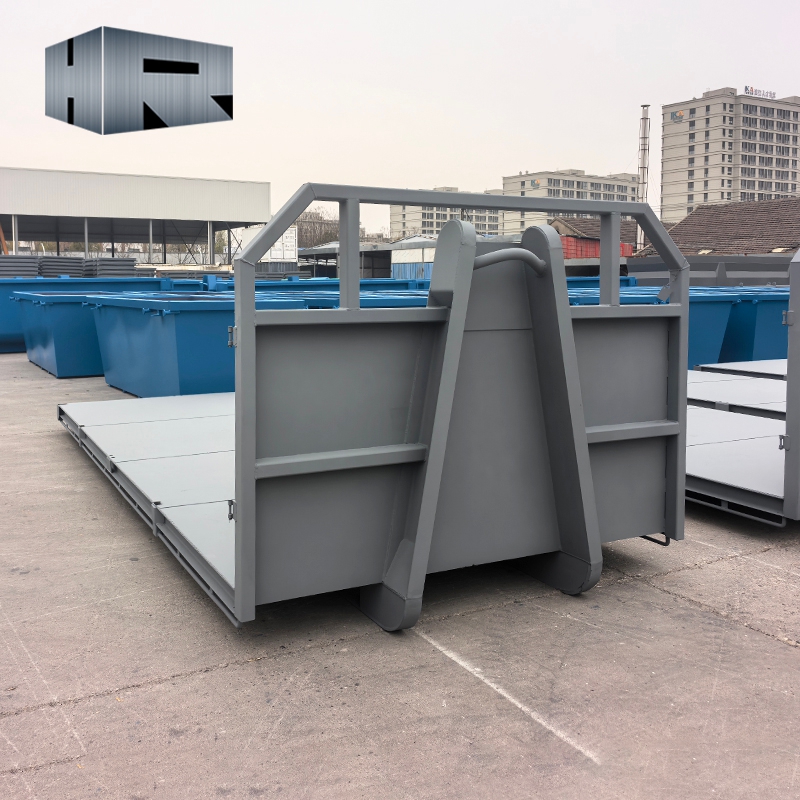
Single-purpose vehicles often sit idle in the yard. You can solve this utilization problem by deploying a Heavy duty hook lift flatbed. Operators can load a heavy skid steer at the yard. They drive to the construction site and drop the entire flatbed to the ground. Minutes later, they pick up a full waste container using the exact same truck. This versatility reduces your total required fleet size.
Load shifting causes serious safety incidents. Standard cable hoists tilt containers at steep angles during the loading process. This aggressive incline often spills loose materials or damages delicate cargo. Hydraulic jibs lift the front of the box while sliding it horizontally. This action significantly reduces the loading angle. Your cargo remains stable and secure during pickup and drop-off sequences.
Safety managers strongly prefer hydraulic systems. You completely eliminate the risk of high-tension cable snaps. You remove the dangers of winch binding and wire rope fraying. Hydraulic mechanisms offer predictable, scheduled maintenance cycles. Keeping the driver inside the cab also prevents slip-and-fall injuries during icy or rainy weather.
Best Practice: Always lubricate the articulated jib joints and inspect hydraulic hoses weekly to ensure smooth operation.
Best Practice: Train drivers to use the cab mirrors and camera systems to verify the A-frame engagement before lifting.
Common Mistake: Failing to align the truck perfectly with the container, which puts excessive lateral stress on the hydraulic cylinders.
Common Mistake: Ignoring minor hydraulic fluid leaks, which eventually lead to pressure loss and system failure.
Despite the operational elegance of hydraulic arms, traditional cable hoists still dominate specific sectors. They remain the undisputed champions for sheer volume and heavy materials hauling. Understanding these specific advantages prevents costly specification errors.
Cable hoist structures weigh significantly less than hydraulic arm assemblies. A hydraulic jib requires massive steel reinforcements, oversized cylinders, and complex subframes. This extra metal adds thousands of pounds to your vehicle's curb weight.
For fleets hauling heavy construction and demolition (C&D) debris, every pound matters. Lower equipment weight directly translates into higher legal payload capacities. You can haul more tons per trip before hitting strict Department of Transportation (DOT) axle weight limits. This efficiency maximizes your billing per load.
Winch systems excel in terrible off-road conditions. High-tension cables can drag heavy boxes through thick mud. They can pull containers out of shallow trenches or uneven landfill faces. The truck chassis can remain parked on solid ground while the cable reaches the box.
A hydraulic setup requires the truck to back up extremely close to the container. If the ground lacks stability, the truck's rear wheels might sink. The cable system effectively acts like an emergency recovery winch. It retrieves boxes from environments where other trucks simply cannot operate safely.
Traditional winches use proven, mechanically simple components. They lack the complex valve banks and massive articulating joints of their hydraulic counterparts. This simplicity results in a lower initial purchase price. You also gain access to a massive secondary market. Used cable hoists and replacement parts remain widely available and highly affordable across the country.
Operational Metric | Cable Hoist System | Hydraulic Jib System |
|---|---|---|
System Curb Weight | Lighter (Maximizes payload) | Heavier (Reduces payload slightly) |
DOT Weight Compliance | Easier to maximize tonnage | Requires careful load planning |
Off-Road Retrieval | Excellent (Can drag boxes) | Limited (Requires solid ground) |
Mechanical Complexity | Low (Winch, cable, sheaves) | High (Cylinders, valves, sensors) |
Modern fleet operations demand extreme flexibility. The days of purchasing highly specialized, single-task trucks are ending. Interchangeable body systems allow you to rethink your entire capital acquisition strategy.
Purchasing dedicated vehicles drains capital. You do not need to buy a separate dump truck and a dedicated transport vehicle. You can utilize one versatile chassis to perform multiple roles. This consolidation slashes insurance premiums, registration fees, and preventive maintenance schedules. One driver can perform three different specialized jobs in a single shift.
Transforming your fleet is remarkably simple. Attaching a Hook Lift Dump Bed effectively replaces a traditional fixed-body dump truck. These specialized attachments provide comparable tipping angles, often exceeding 50 degrees. This steep angle easily dislodges sticky materials like wet clay or packed snow.
The true advantage emerges when the dumping task concludes. With a fixed dump truck, the vehicle sits idle if you do not need to move soil. With a removable system, you drop the dump bed in the yard. The chassis instantly becomes available for hauling waste boxes or transporting machinery.
Seasonal shifts destroy fleet utilization rates. Municipalities and landscape contractors face wildly different demands throughout the year. Dedicated snow plows sit useless from April to October. Leaf collection trucks gather dust during the winter.
Interchangeable bodies solve this seasonal dilemma. A public works department can swap a dump bed for a chipper box during summer tree maintenance. In the winter, they slide a massive salt spreader onto the same chassis. Companies across numerous sectors rely on a Hooklift Flatbed to adapt instantly to shifting seasonal demands. You maximize year-round asset utilization without purchasing additional engine platforms.
Choosing your mechanism also dictates your labor pool and maintenance shop requirements. You must align your equipment specifications with your available workforce and technical support capabilities.
Driver shortages impact every logistics operation today. Finding qualified Commercial Driver's License (CDL) holders remains expensive and difficult. You can gain a massive operational advantage by specifying your system carefully.
Mounting a lighter hydraulic system on a Class 6 chassis under 26,000 lbs Gross Vehicle Weight Rating (GVWR) changes everything. This specific configuration removes the CDL requirement entirely. You immediately expand your hiring pool. Non-CDL operators can learn to use automated cab controls much faster than manual cable rigging.
Maintenance routines differ drastically between the two technologies. Your shop mechanics must possess the right skills for your chosen system.
Hydraulic Systems: These require strict fluid management. Mechanics must inspect high-pressure cylinders, replace hydraulic hoses, and grease pivot pins. Clean fluid is critical for system longevity.
Cable Systems: These demand constant physical inspections. Mechanics must replace frayed wire ropes immediately to prevent snapping. They must also service winch motors and grease rail sheaves frequently.
Use the following summary chart to finalize your procurement strategy based on your primary business drivers.
Primary Business Requirement | Recommended System | Key Justification |
|---|---|---|
Maximum tonnage per load | Cable Hoist | Lighter equipment weight allows more legal cargo weight. |
Tight urban alleyway drops | Hydraulic Jib | Pushes containers into exact positions without rolling. |
Multiple daily equipment swaps | Hydraulic Jib | Sub-two-minute cycle times keep drivers productive. |
Deep mud or trench extraction | Cable Hoist | Winch pulls boxes from unstable ground safely. |
Strict upfront budget caps | Cable Hoist | Mechanically simpler system lowers acquisition barriers. |
Keeping drivers safely in cab | Hydraulic Jib | Eliminates weather exposure and manual cable rigging. |
Choose Roll-Off if: Your primary metric is maximum tonnage per load. You have a strictly capped upfront budget. Your drivers routinely pull boxes from difficult, unpaved terrain where trucks cannot maneuver easily.
Choose Hooklift if: You operate in tight urban environments. You require multiple body types like flatbeds, dump beds, and storage containers. You want to reduce workplace liability by keeping drivers safely inside the cab during operations.
The decision between a hydraulic arm and a cable hoist is not about finding a universally superior technology. It is about identifying the technology that perfectly aligns with your specific contract requirements. Your operational environment dictates the right mechanical choice.
A cable system delivers raw pulling power and maximum payload compliance. A hydraulic system offers unmatched speed, precision, and body-swapping versatility. Selecting the wrong platform leads to frustrated drivers, damaged property, and wasted chassis potential.
Take immediate action to audit your current fleet utilization rates. Track how many days your dedicated dump trucks sit idle in the yard. Calculate the time your drivers spend physically rigging cables in hazardous weather. If you identify significant downtime, migrating to a versatile hydraulic system can streamline your assets. You will do more work with fewer vehicles.
A: Generally, no. Hooklifts require an A-frame hook bar, whereas roll-offs require a cable hook-up. However, some manufacturers offer universal or retrofitted containers. These modifications allow a single box to interface with both systems, though this adds mechanical complexity and structural weight.
A: Yes. A properly rated heavy-duty flatbed attachment easily transports skid steers, mini-excavators, and trenchers. You must ensure the combined weight of the flatbed and the machinery strictly respects the chassis GVWR and the specific lifting capacity of the hoist system.
A: Yes. The heavy-duty hydraulic arm, structural reinforcements, and complex valve systems add considerable weight compared to a simple rail-and-cable setup. This extra mechanical weight results in a slight reduction in your maximum legal payload capacity.


